Will Suburbun Locations Grow Faster or Tier II Cities or Tier I Cities
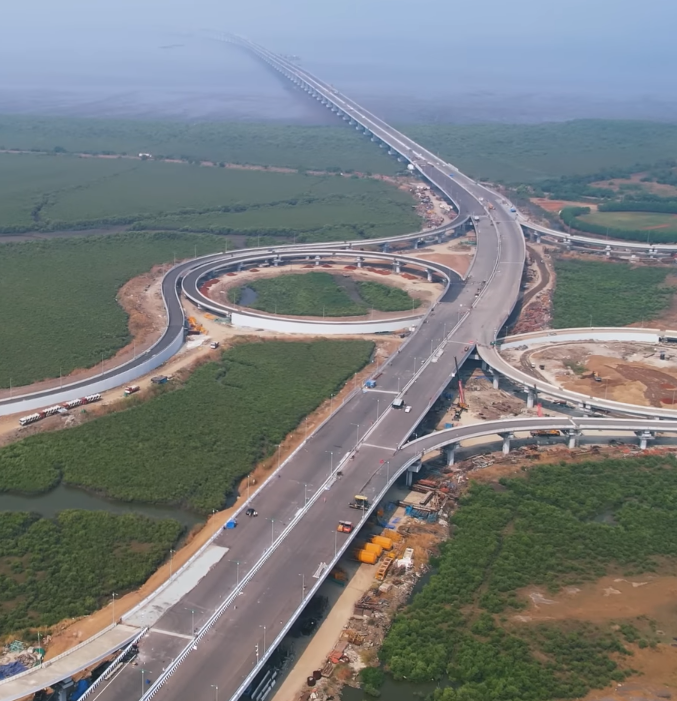
Recent trends indicate that Tier II cities may experience stronger real estate growth prospects compared to Tier I cities. This shift can be attributed to several key factors that enhance the appeal of these emerging urban areas.
Upcoming Infrastructure Development
One of the primary drivers of growth in Tier II cities is the ongoing infrastructure development. These cities are witnessing significant projects aimed at improving connectivity, which includes the establishment of transportation networks such as metros, highways, and airports. Enhanced connectivity not only makes these cities more accessible but also increases their attractiveness to businesses and potential residents.
Greenfield Infrastructure
Unlike Tier I cities that often face challenges related to existing infrastructure, Tier II cities have the unique advantage of developing greenfield infrastructure. This allows for planned and efficient growth, as new projects can be designed with modern standards in mind, facilitating better urban planning and sustainability.
Smart City Initiatives
Many Tier II cities are also embracing smart city initiatives. These projects focus on integrating technology into urban management, promoting sustainability, and improving living standards. Such initiatives not only attract investment but also enhance the overall quality of life for residents, making these cities more appealing for both individuals and businesses.
Economic Growth and Affordability
The economic landscape is also shifting, with many businesses decentralizing their operations from saturated Tier I cities to Tier II locations. This movement is driven by the lower operational costs and access to a growing talent pool that Tier II cities offer. Additionally, cities located along industrial corridors are experiencing increased industrial activity, leading to job creation and economic growth.
Affordability is another significant factor contributing to the attractiveness of Tier II cities. Property prices in these areas remain relatively lower compared to Tier I cities, making them appealing to both end-users and investors. Furthermore, the lower living costs contribute to a better quality of life, which is increasingly important for individuals and families considering relocation.
Conclusion
The combination of infrastructure development, economic opportunities, and affordability positions Tier II cities as strong contenders for future real estate growth. As these cities continue to evolve, they may not only attract residents but also become hubs for businesses seeking new opportunities.
For homebuyers and investors, this trend signals a potential shift in focus from traditional Tier I markets to the emerging prospects in Tier II cities. Keeping an eye on these developments could provide valuable insights into future investment opportunities.