Difference between General Power of Attorney and Specific POA
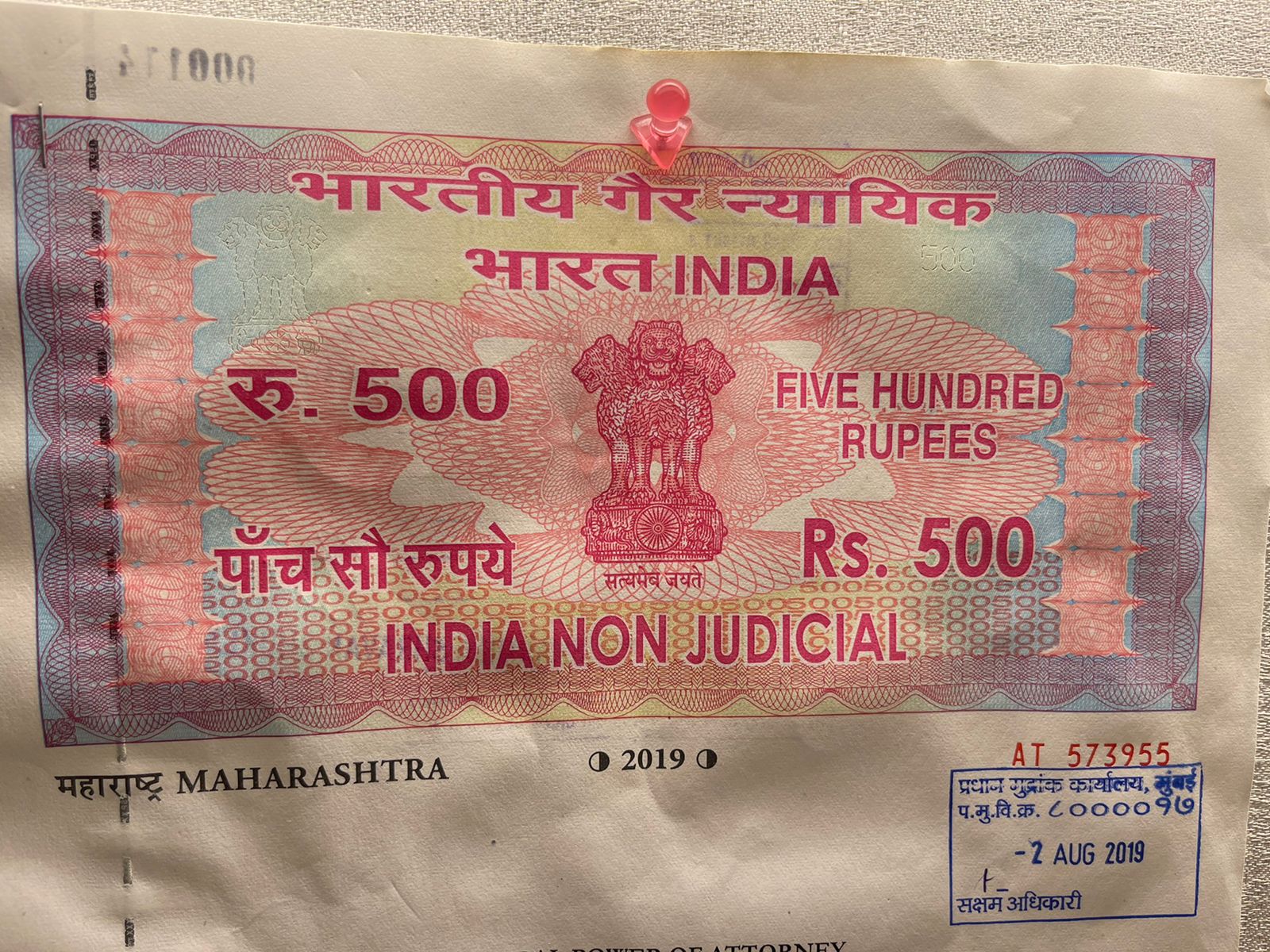
The ongoing Covid situation has made it challenging for many individuals to travel for executing property documents. As a result, home buyers and sellers in Mumbai and across India are increasingly relying on Power of Attorney (POA) to facilitate the buying, selling, or leasing of properties. Understanding the differences between the two main types of POA—General Power of Attorney and Specific Power of Attorney—is essential for anyone involved in real estate transactions.
General Power of Attorney
A General Power of Attorney (GPA) grants broad powers to an individual, allowing them to act on behalf of the principal in various matters. This can include tasks such as filing tax returns, operating bank accounts, and signing legal documents. The GPA is typically valid until it is revoked by the principal, making it suitable for long-term arrangements. This flexibility allows the attorney-in-fact to manage multiple aspects of the principal's affairs, which can be particularly useful in situations where the principal is unable to attend to these matters personally.
Specific Power of Attorney
In contrast, a Specific Power of Attorney (SPA) is limited to a particular task or purpose. This type of POA is often used for executing specific documents, such as signing or registering a Sale Deed, an Agreement for Sale, or a Leave and License agreement. The SPA is self-relinquishing, meaning it automatically expires once the specified task is completed. For instance, if the SPA is granted to execute a Sale Deed, it becomes void once the deed is signed and registered. This makes the SPA a more focused and temporary option compared to the GPA.
Practical Implications for Property Transactions
Understanding the distinctions between GPA and SPA is crucial for buyers, sellers, and tenants in Mumbai's real estate market. The choice between the two types of POA depends on the specific needs of the transaction. If a property owner wishes to delegate a wide range of responsibilities, a General Power of Attorney may be more appropriate. However, if the requirement is limited to a single transaction, a Specific Power of Attorney would suffice.
Conclusion
As the real estate landscape continues to evolve, particularly in the context of the Covid pandemic, the use of Power of Attorney has become increasingly relevant. Both General and Specific Powers of Attorney serve important roles in facilitating property transactions, each with its own advantages and limitations. It is advisable for individuals to carefully consider their needs and consult with legal professionals when deciding which type of POA to use.